English

English
“Your warm and friendly nature really sets the tone of the school, thank you for all you do for our children.”
“It is important early in life, to acquire the power of Reading sense wherever you happen to be.”
C.S. Lewis
-
At Oakridge Parochial School, after safeguarding, reading is our top priority. The Headteacher prioritises reading, staff foster a love of reading and reading and phonic CPD is prioritised with the aim of all staff being experts in early reading.
In our school, we passionately believe that ‘Every Child Will Be A Reader’ and we make this happen with: excellent early phonics teaching; using a wide range of graded home / school reading books; children regular reading to trained adults in school; fantastic book corners full of high-quality texts; and by nurturing a real love of reading! We use a systematic synthetics phonics programme - Essential Letters and Sounds (ELS) - that helps us to achieve our aim for all children to read well, quickly. Our children leave the Foundation Stage, and then Key Stage 1, with results that are above National Average and an ability to read confidently, being able to evaluate what they have read.
Subject Intent:
To increase pupils’ prospects by ensuring that all children are fluent, enthusiastic readers. We are determined to ensure that our pupils can speak, read and write fluently so that they can succeed in future life.
‘Through our Roots, we Flourish’
To ensure children’s phonic skills are secure as early as possible, as these are essential to developing as a competent, assertive reader.
To provide early reading foundations that enable pupils to be enthusiastic readers with a passion and love for storytelling, literature and vocabulary.
To ensure that all children learn to read and read to learn.
For children to become enthusiastic and motivated readers
To immerse children in a range of genres in order to develop cultural capital and provoke thought (Windows and mirrors)
To encourage a love of literature and enjoyment of reading
Through thorough tracking we ensure that no child is left behind; those few pupils who find learning to read a challenge are supported through rigorous interventions to cater for their needs.
-
How we teach Phonics and Early Reading
Research shows that high quality, systematic teaching of phonics is the key to the development of reading and writing.
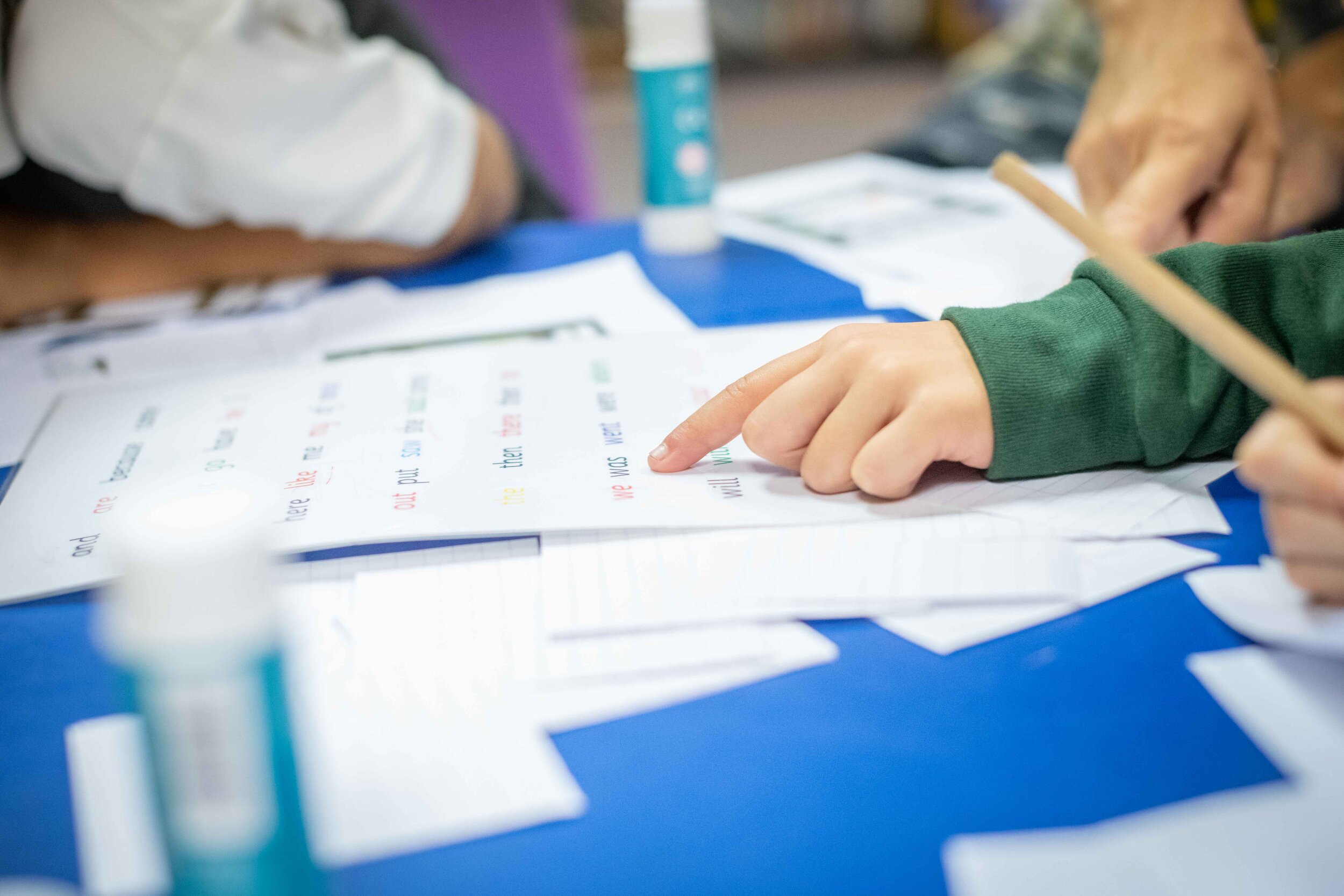
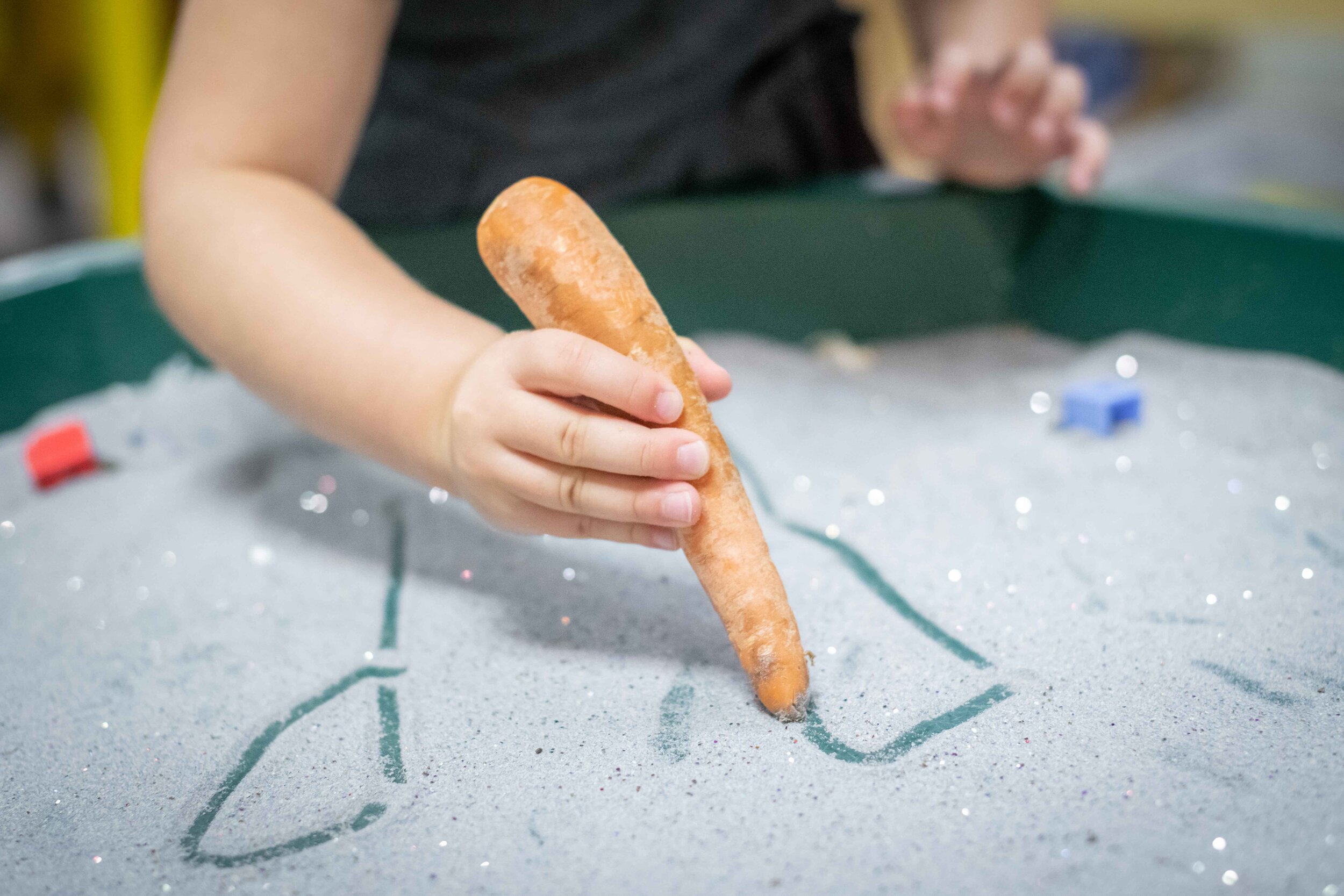
We use Essential Letters and Sounds (OUP) which is designed to be used as part of an early learning environment that is rich in talk, and story, where children experience the joy of books and language whilst rapidly acquiring the skills to become fluent, independent readers and writers. The programme teaches children to:
decode by identifying each sound within a word and blending them together to read fluently
encode by segmenting each sound to write words accurately.
For more information on ELS, please visit https://home.oxfordowl.co.uk/reading/reading-schemes-oxford-levels/essential-letters-and-sounds/?fbclid=IwAR1QhrDcxcxiUQGvk3uiDVWLdYYjUx_bxQMAVSIgrfqchlP6YHTFZuQemgU
Pure sounds are vital in phonics. This video will help parents/carers know how to pronounce sounds correctly when practising at home.https://www.youtube.com/watch?v=UCI2mu7URBc
We know that for children at the end of Key Stage 1 to achieve the age-related expectations, they need to read fluently at 90 words per minute. As children move into Key Stage 2, it is vitally important that even those that have made the slowest progress, are able to read age-appropriate texts independently, and with fluency. For children to engage with the wider curriculum, they need to be able to read well, making inferences and drawing on background knowledge to support their developing understanding of a text when they read. To do this, they need to be able to draw, not only on their phonic knowledge, but also on their wider reading and comprehension skills, each of which must be taught. The first step in this complex process is the link between spoken and written sounds.
ELS whole-class, daily phonics teaching begins from the first day in Reception. The rigorous teaching programme enables children to build an immediate understanding of the relationship between the sounds they hear and say (phonemes) and the written sounds (graphemes). The lessons are designed to ensure that the minimum cognitive load is placed on the learner. The familiar structure of the lesson allows children to predict what is coming next, what they need to do, and how to achieve success. Whole school training ensures that there is consistency in resources, lesson structure, and terminology used amoungst all staff and year groups, right across the school.
We aim for all reading books relating to Early Reading to match the sounds that children have been taught.
In Reception, the children learn the main 52 grapheme-phoneme correspondences (GPCs) and 20 alternatives for lesser-known GPCs.They use these sounds to read and write simple words and sentences. They also learn 60 Hard to Read and Spell Words (HRSW) throughout the year.
In Year 1, the children revisit the alternative sounds taught in Reception, before learning a further 51 alternative GPCs. . The children also continue to learn many more Hard to Read and Spell Words and develop a more adventurous vocabulary. At the end of Year 1, all children are screened using the national phonics screening check.
Year 2 consists mainly of learning to spell and read more complex words and write extended sentences.
Pupils who fall behind are supported to catch up quickly. Where possible, intervention is immediate. In Reception and Year 1, children who need it, receive extra intervention in-keeping with the ELS programme, either in small groups or on an individual basis. In KS2, for any children that did not pass their phonics screening or still require additional support with their phonics, we use intervention programmes such as Precision Teaching and Rapid Phonics as an alternative to ELS if the ELS interventions are not having the desired impact.
We also use the Year Group Spelling Lists provided in the National Curriculum. Pupils are encouraged to continually apply their phonic knowledge in their writing across all subjects.
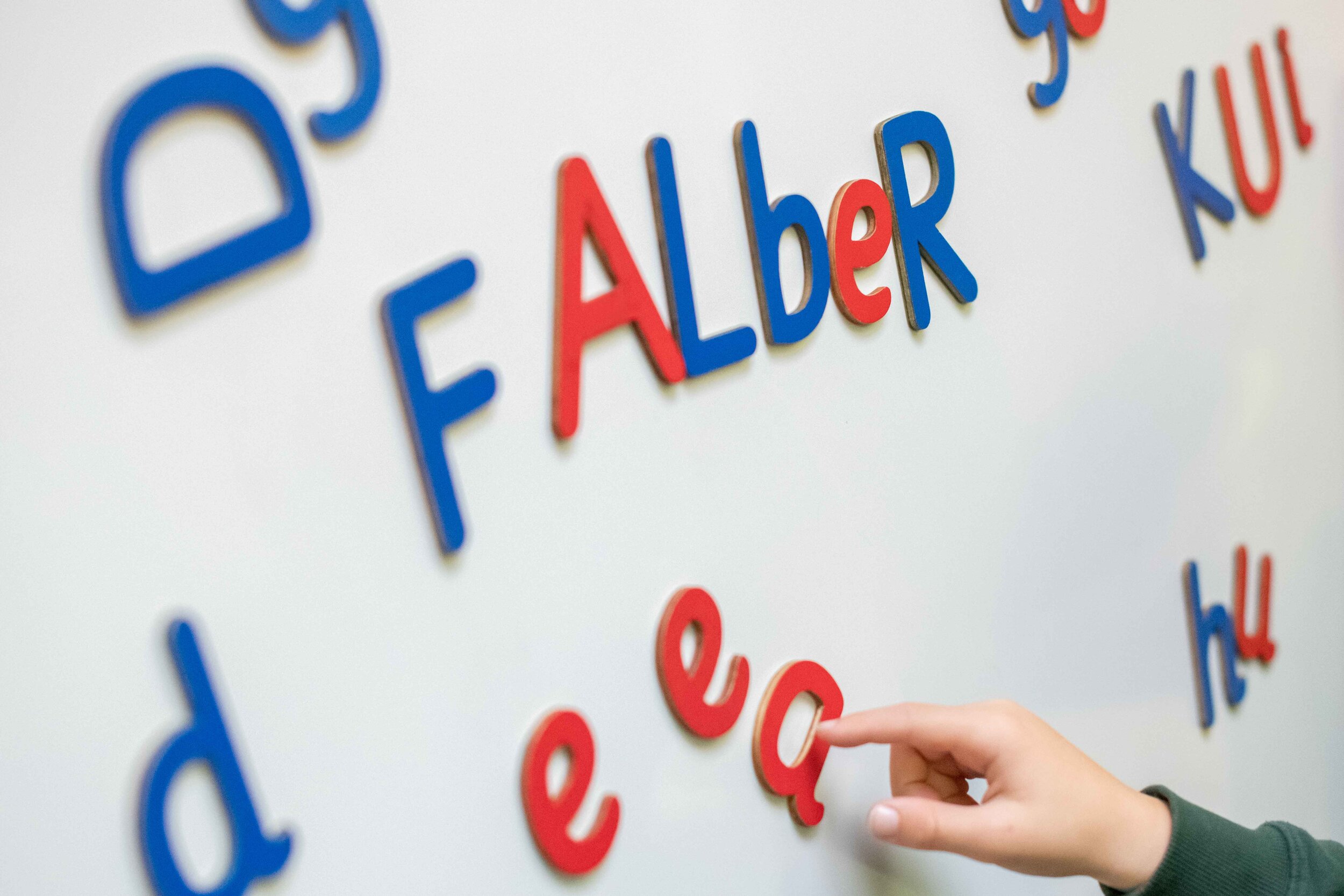
ELS Mnemonics and Rhymes to support Letter Formation
Please click here to view a copy of the Powerpoint shared with parents/carers at our recent Early Reading Parent Information Session.
Please find below a link to purchase ELS flahcards to support your child at home-
-
When children have completed the ELS programme, which for many children is during Year 2, children are given more of a comprehension focus in how they learn. We want our children to experience a variety of different texts and genres, therefore have a set of reading lists in place for each year group to work through. Teachers introduce texts to children that they know will engage, challenge and create a love for Reading. If necessary, teachers may choose to use texts that relate to their current theme, however, they mostly consider what reading skills their particular year group will be gaining from these texts.
Whole Class Guided Reading lessons occur weekly from Year 3 to Year 6 and always consist of a comprehension focus. However, we want our children to see this as much more than just answering questions about texts, but opportunities for discussion, self-reflection and understanding. Teachers always plan their lessons with particular skills in mind, many of which they get from the frameworks we use and our assessment data provided by Star Reader and ORCS. These skills include the DERIC (Decode, Explain, Retrieve, Interpret/Infer, Choice) approach in KS1 and continue with ERIC in KS2 as we also look at further comprehension skills such as vocabulary, prediction and summary style questions.
Teachers may focus on one of these particular skills in a lesson, however, might also teach about several of them if necessary. Nevertheless, teachers also focus on other reading skills they feel might be important to their individual classes, which range from pinpointing key facts in texts to how to skim through larger texts to find the information they need.
Children in each year group also complete regular assessments in Reading, ranging from one to two every term. This provides teachers with a clear understanding of the progression their children are making in Reading, which also gives them a clear idea of how their children can move forward in the subject and spot any gaps which may need addressing. We also assess children’s fluency using a fluency rubric which allows us to identify areas most in need of improvement. Children are assessed through Rising Stars Reading and the ORCS Comprehension Conversation, which also identifies strengths and weaknesses for each child.
When children complete a piece of Reading work, we also see marking and feedback as a fundamental way of making sure our children know how to move forward. Every child’s work is marked at the end of a reading lesson or given immediate verbal feedback and we aim to always celebrate their achievements in that particular lesson. Children also have opportunities to edit their work where necessary, which should help clear any misconceptions from the lesson, as well as give them opportunities to up-level their work.
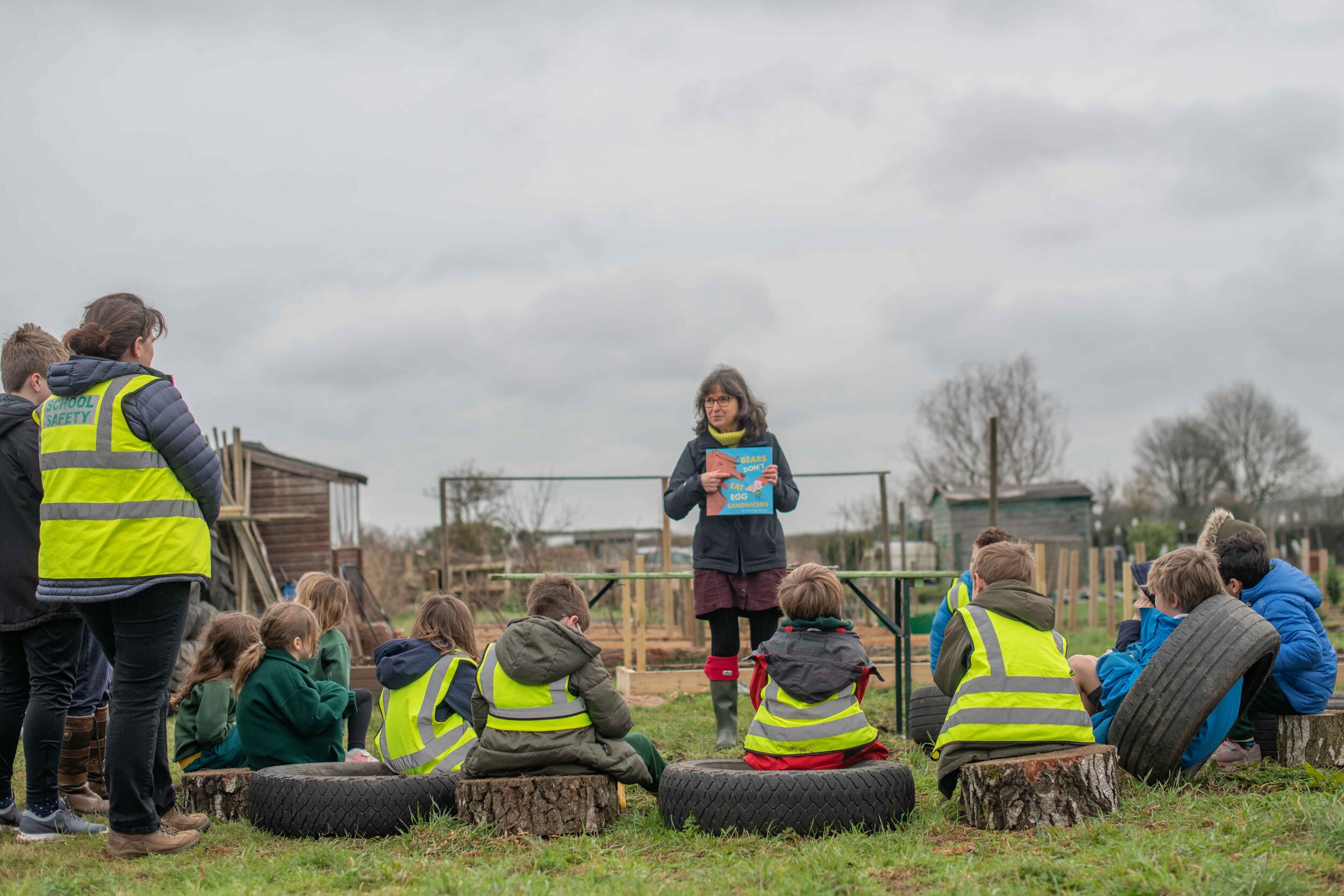
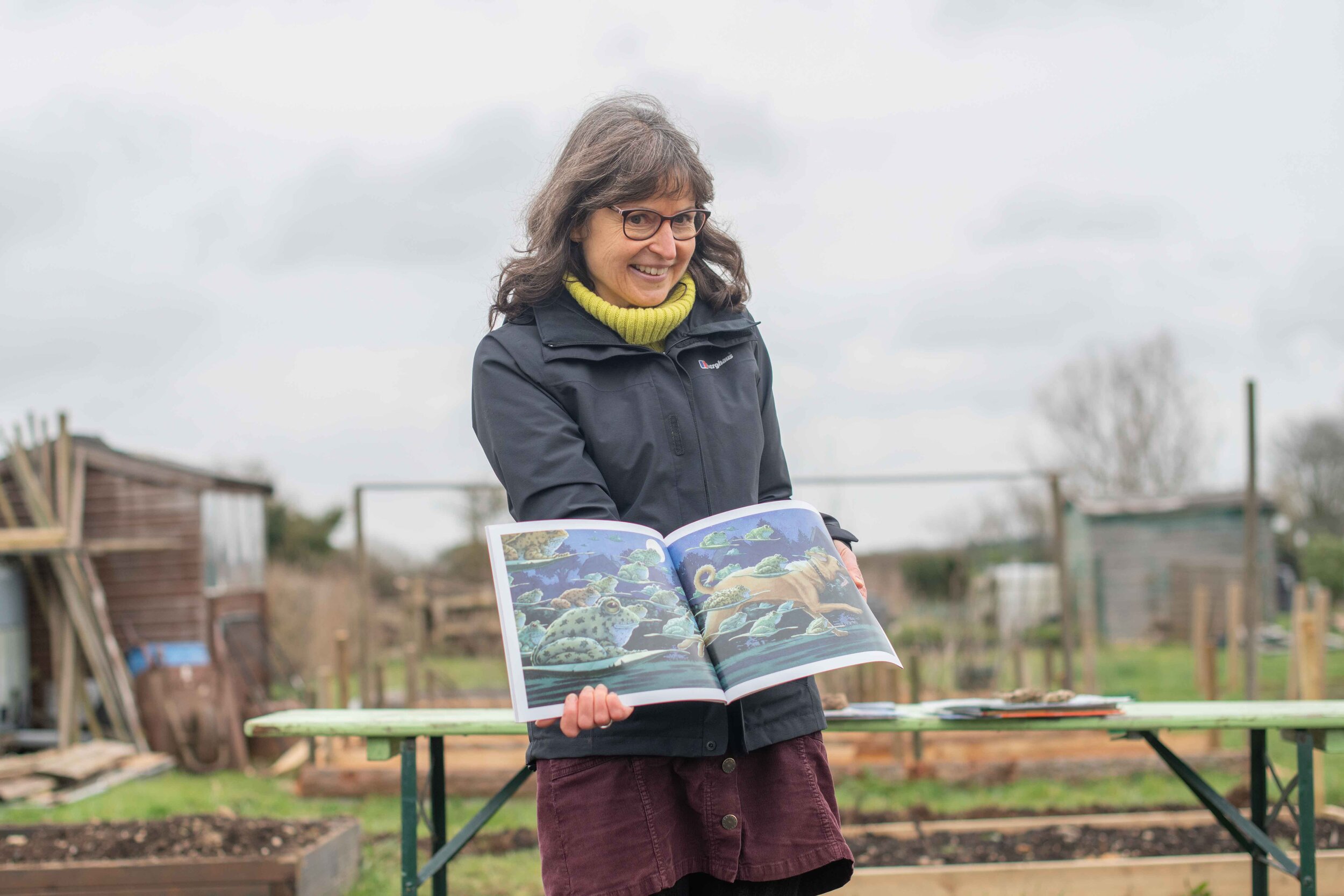
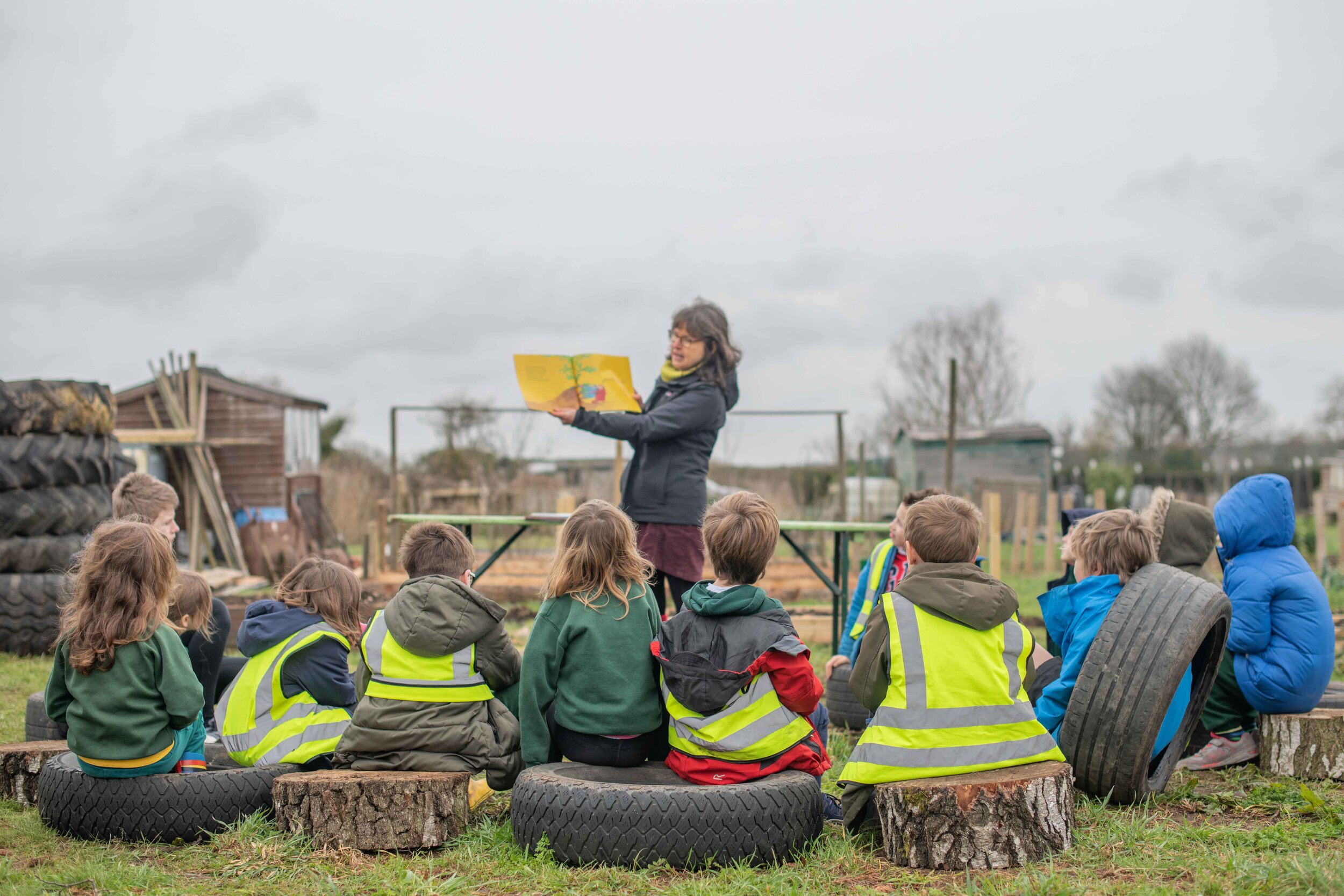
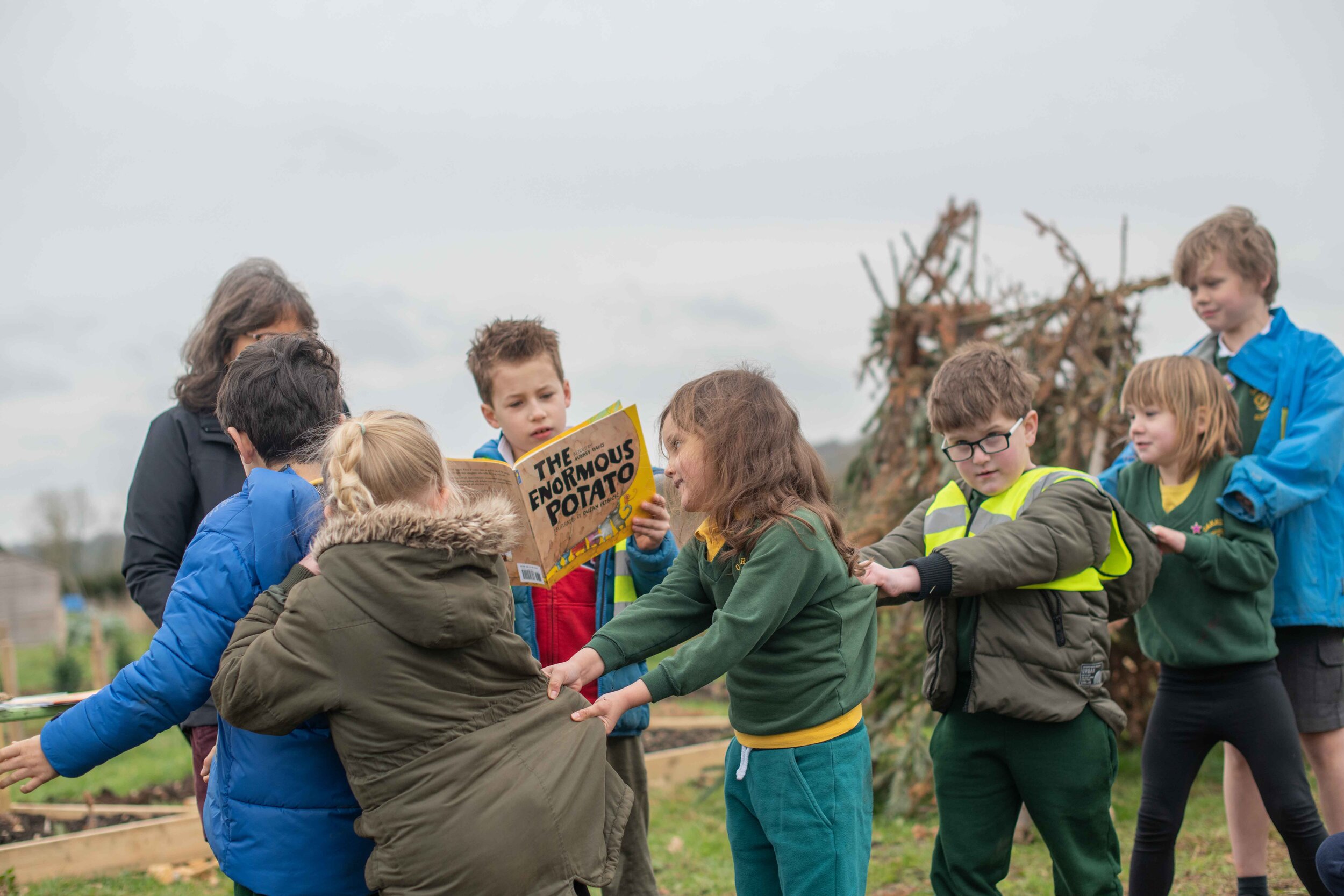
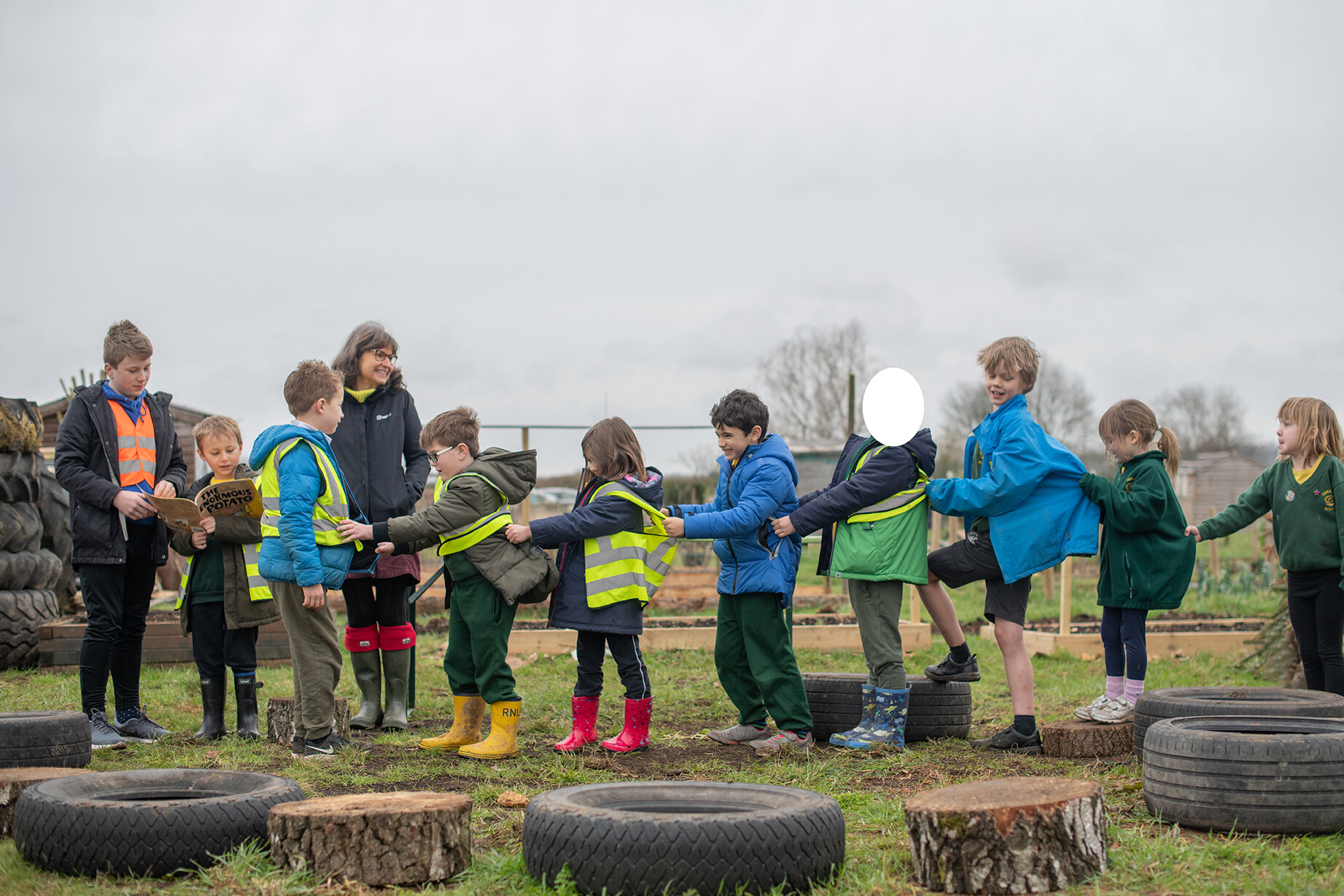


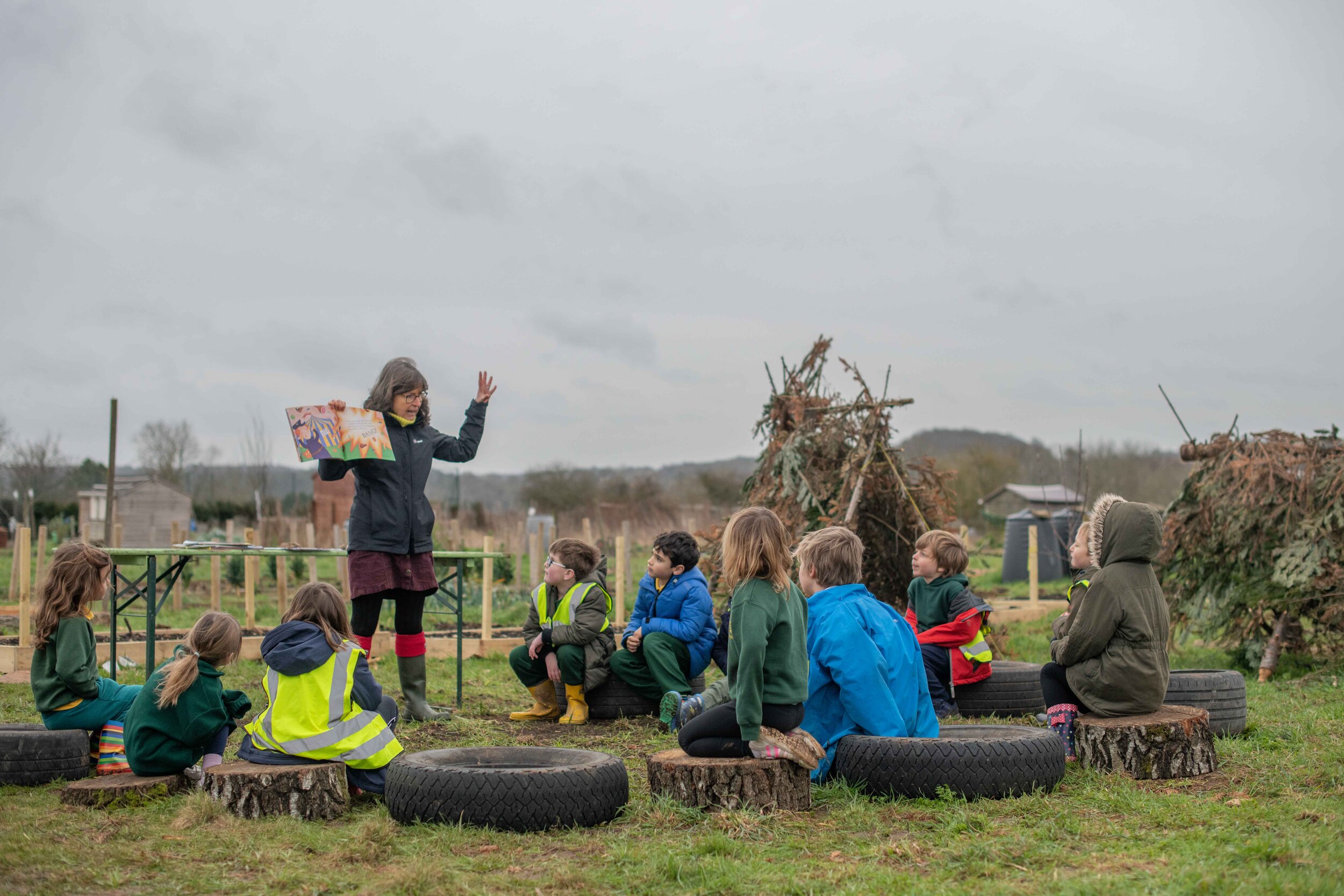
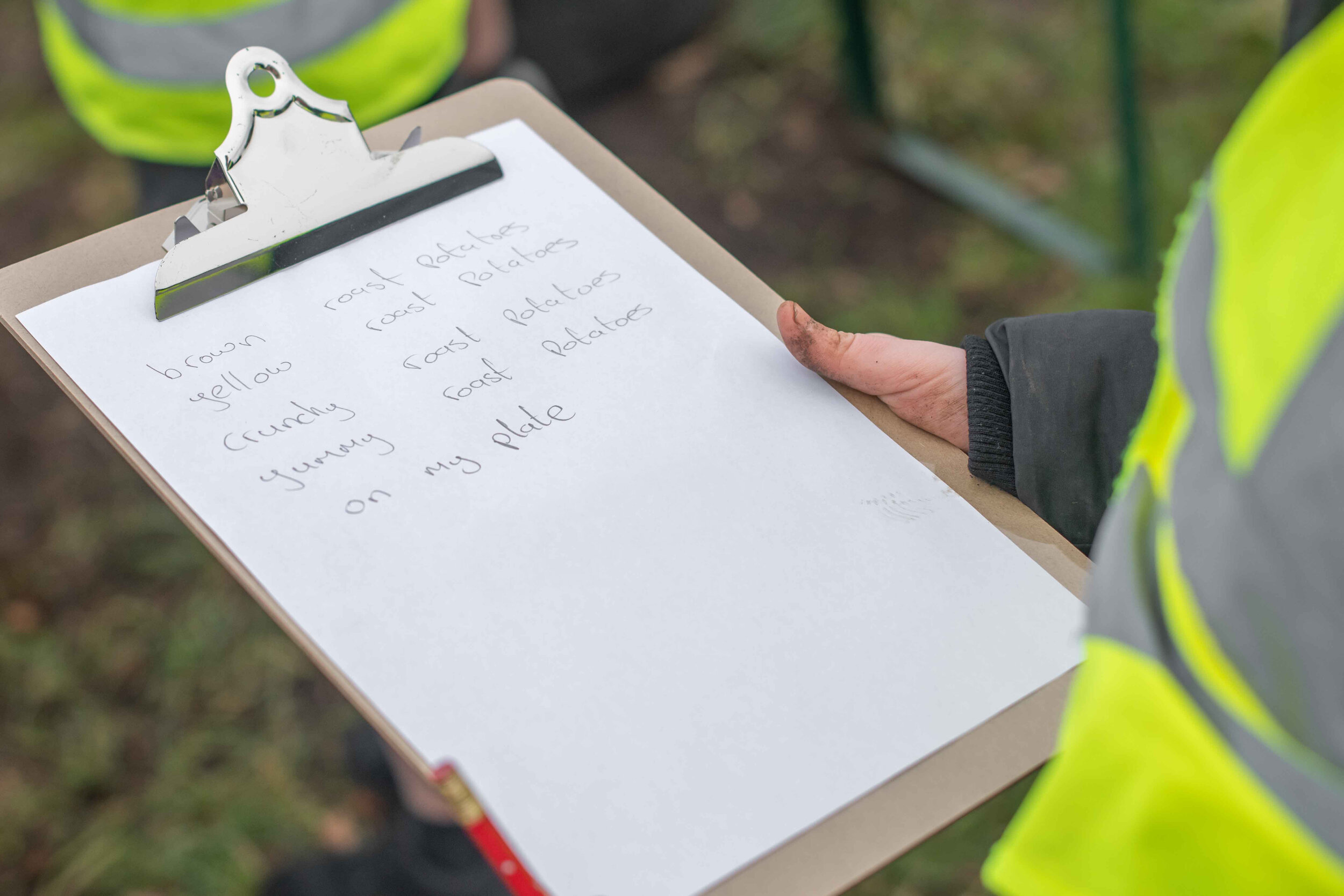
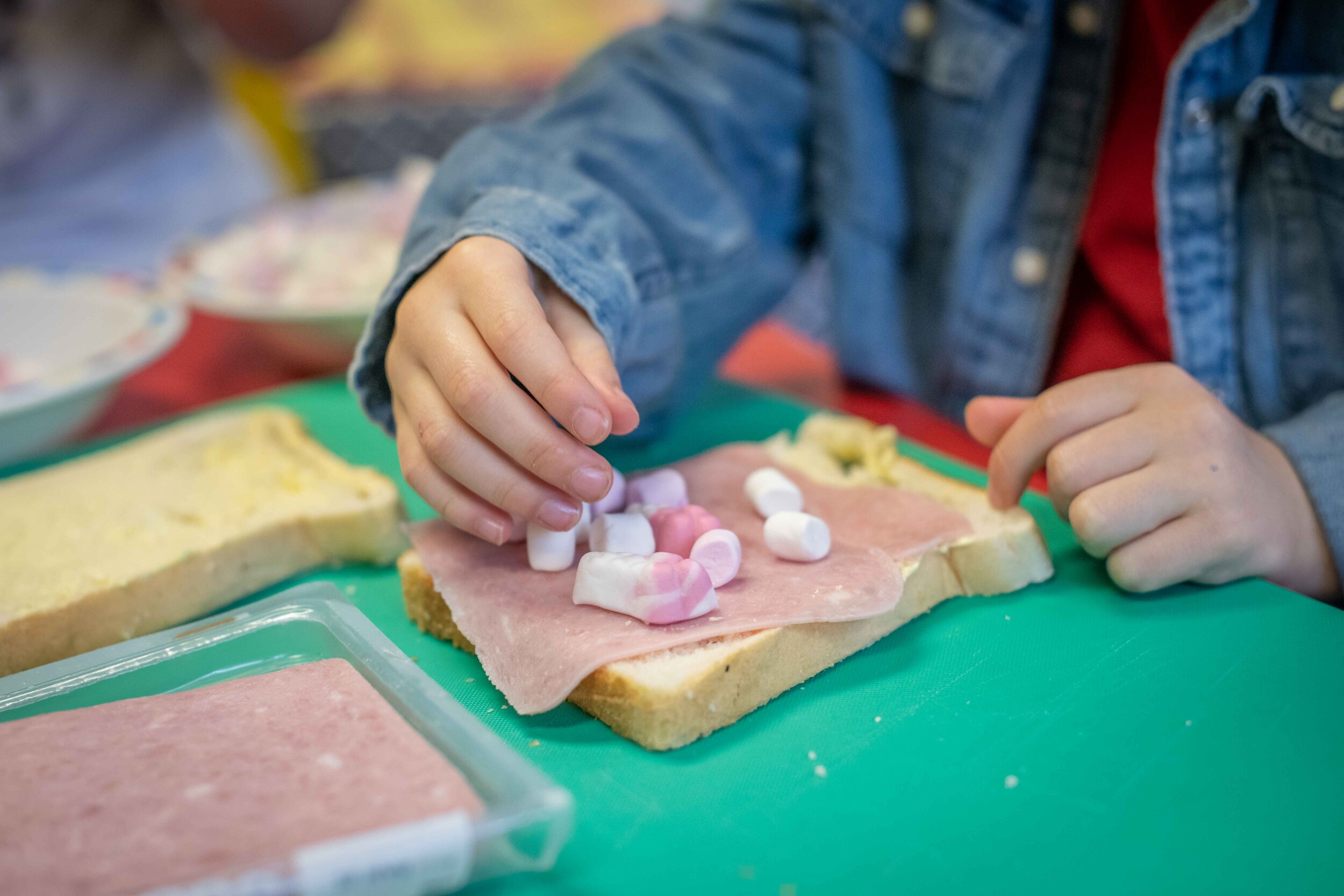
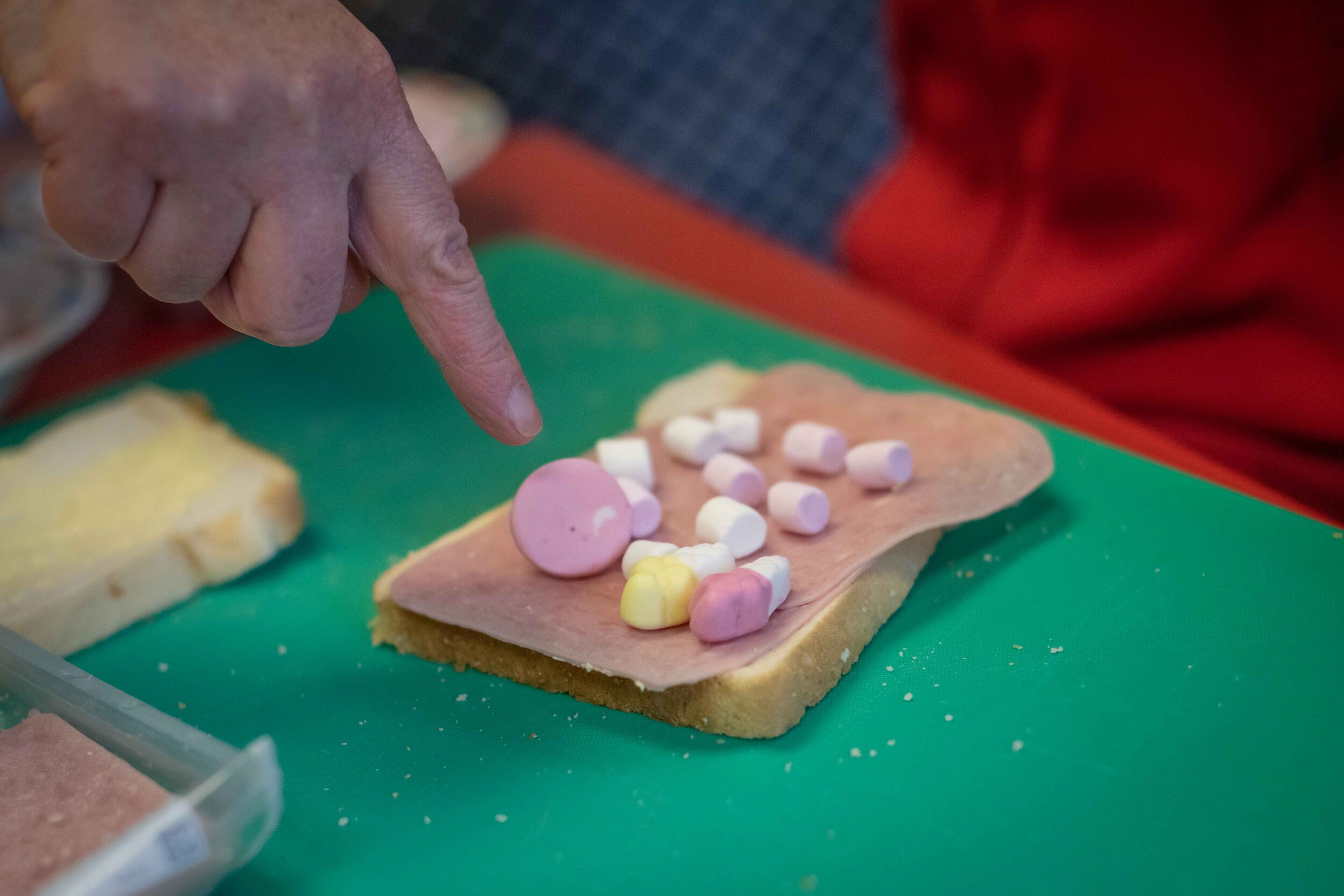
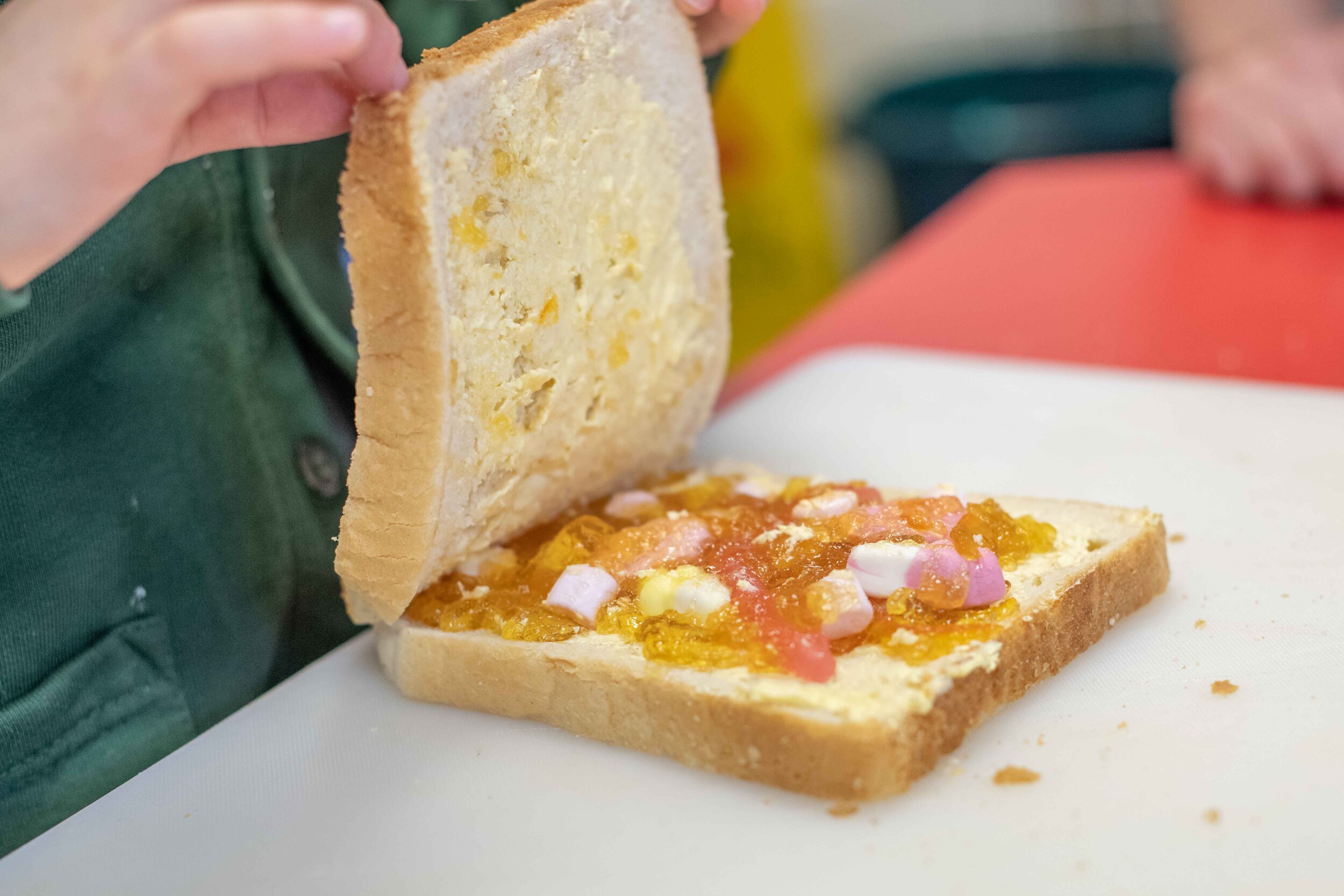
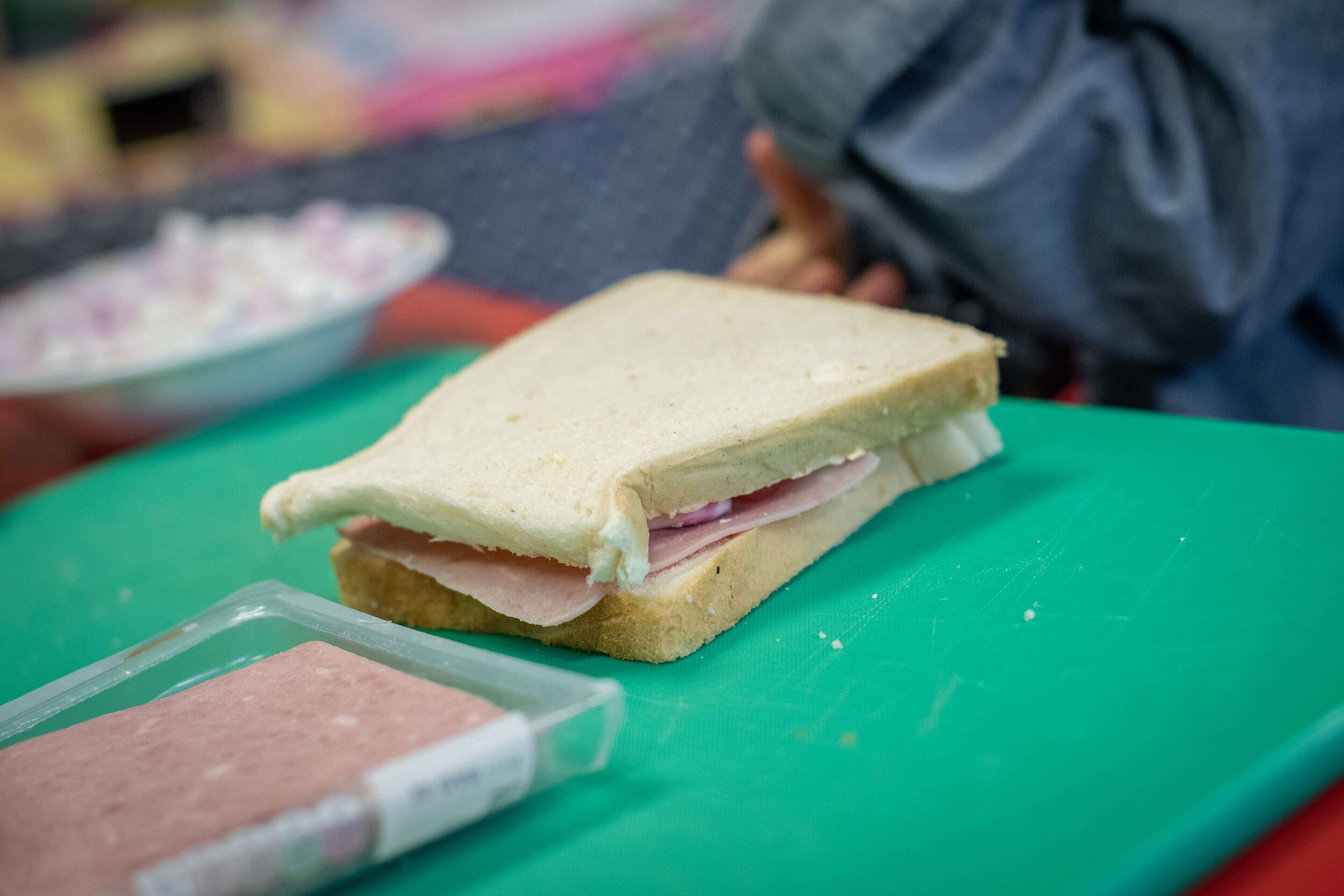
Bears Don’t Eat Egg Sandwiches

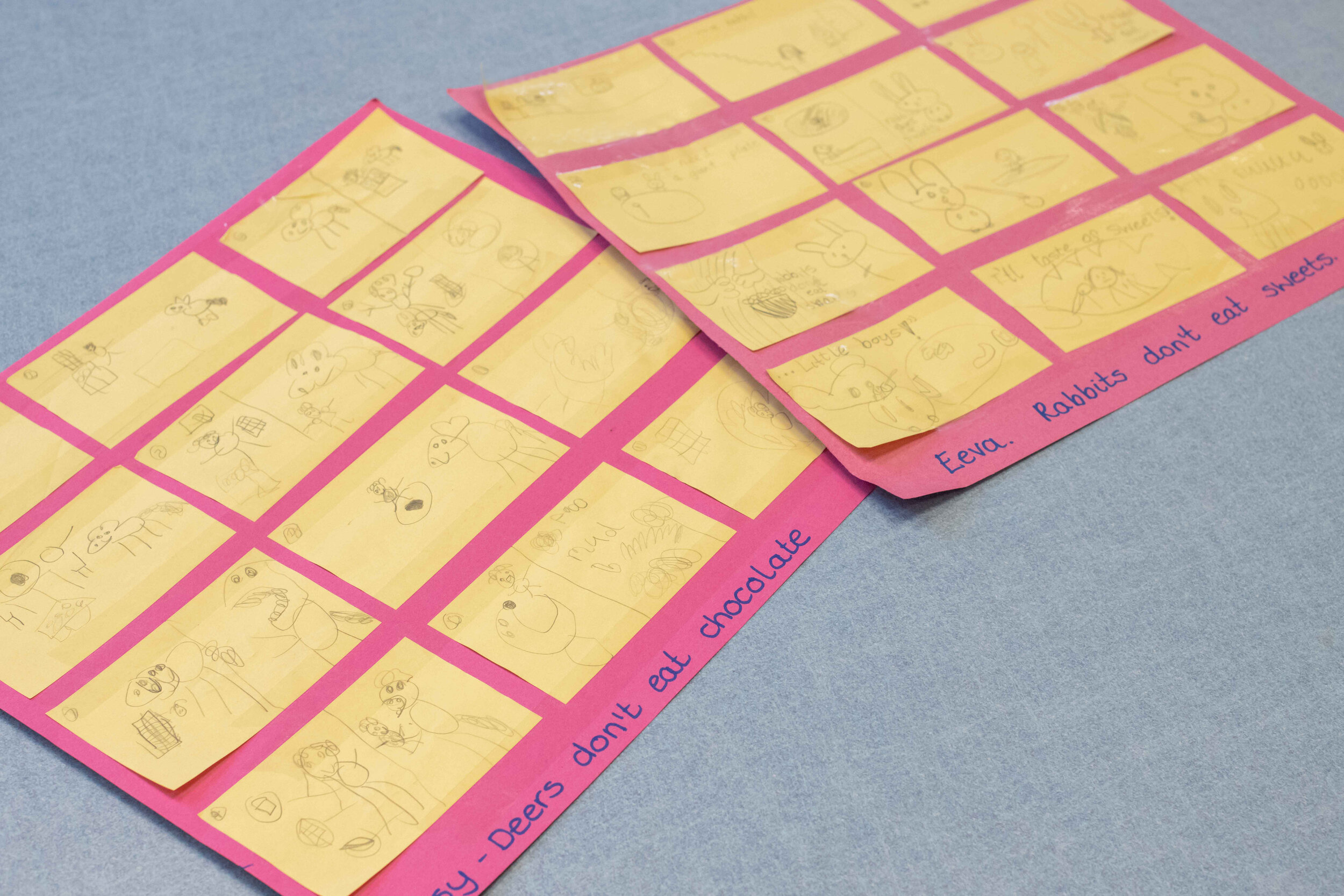
Classwork